
In today’s fast-paced business environment, organizations must harness real-time data to maintain competitive advantage and make informed strategic decisions that drive growth.

🚀 The Evolution of Data-Driven Decision Making
The landscape of business intelligence has transformed dramatically over the past decade. Traditional reporting methods that relied on static monthly or quarterly reports have become obsolete in an era where market conditions change by the hour. Real-time trend modeling dashboards have emerged as essential tools for organizations seeking to stay ahead of their competition and respond swiftly to market dynamics.
Modern businesses generate enormous volumes of data every second—from customer interactions and sales transactions to social media engagement and operational metrics. The challenge isn’t collecting this data; it’s transforming it into actionable insights that can guide strategic decisions. Real-time dashboards bridge this gap by visualizing complex data patterns as they unfold, enabling leaders to spot opportunities and threats before they become obvious to competitors.
📊 Understanding Real-time Trend Modeling Dashboards
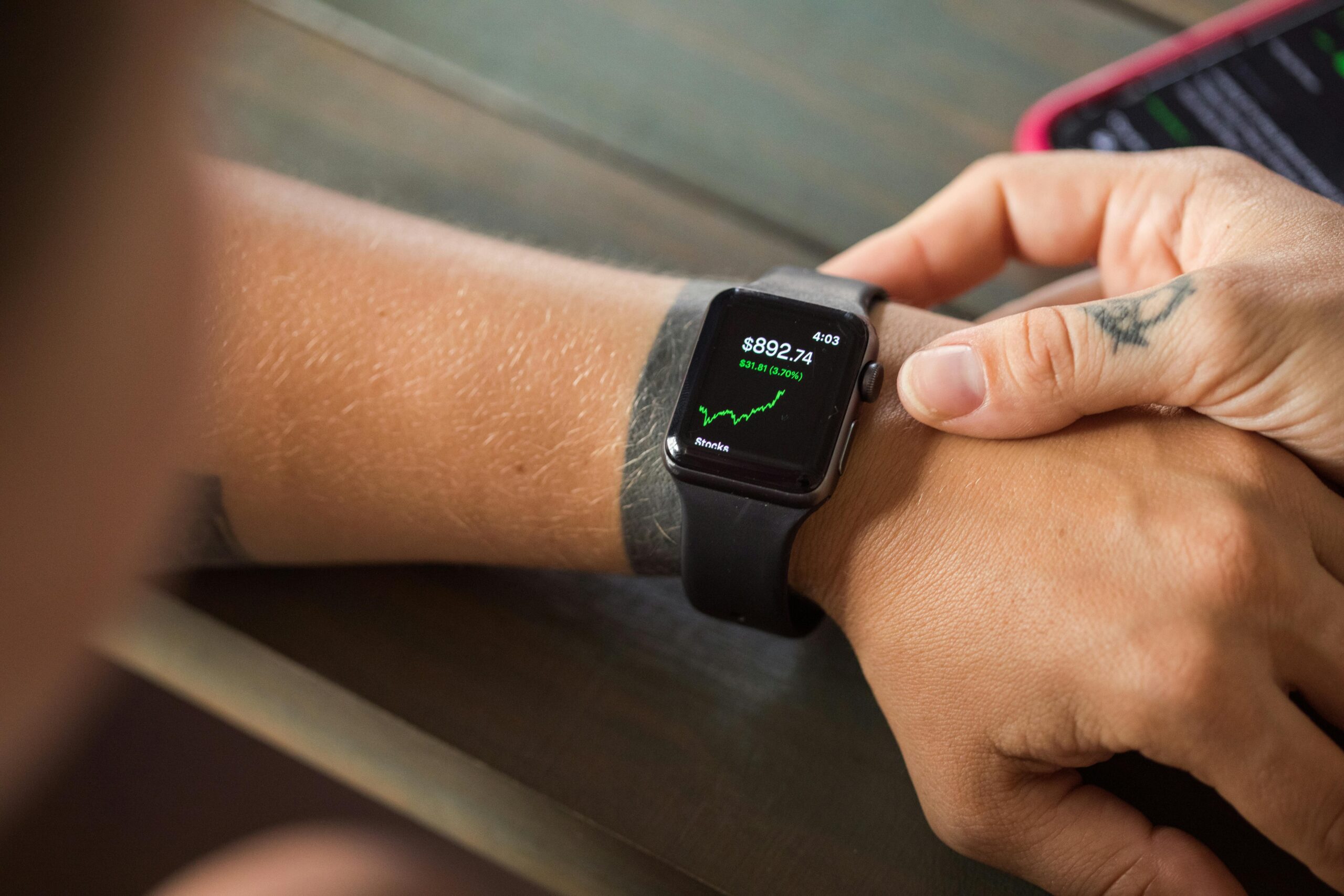
Real-time trend modeling dashboards are sophisticated business intelligence tools that continuously analyze incoming data streams to identify patterns, anomalies, and emerging trends. Unlike traditional analytics platforms that process historical data, these dashboards update instantaneously, providing a live pulse of your business operations.
These dashboards combine multiple data sources—including customer relationship management systems, financial platforms, marketing automation tools, and operational databases—into unified visual interfaces. Through advanced algorithms and machine learning capabilities, they can predict future trends based on current patterns, allowing organizations to shift from reactive to proactive decision-making.
Key Components of Effective Real-time Dashboards
Successful real-time trend modeling dashboards share several critical characteristics that distinguish them from basic reporting tools:
- Data Integration Architecture: Seamless connectivity with multiple data sources through APIs and data connectors
- Processing Speed: The ability to handle high-velocity data streams without latency
- Predictive Analytics: Machine learning models that forecast future trends based on historical and real-time data
- Customizable Visualizations: Flexible chart types and dashboard layouts tailored to specific business needs
- Alert Mechanisms: Automated notifications when metrics exceed predetermined thresholds
- Mobile Accessibility: Responsive designs that function seamlessly across devices
💡 Strategic Advantages for Business Leaders
Organizations that implement real-time trend modeling dashboards gain significant competitive advantages across multiple dimensions of their operations. These tools fundamentally change how executives approach strategic planning and tactical execution.
Enhanced Market Responsiveness
When market conditions shift, businesses with real-time dashboards can detect these changes immediately. Whether it’s a sudden spike in demand for a particular product, emerging customer sentiment on social media, or unexpected supply chain disruptions, these systems provide early warning signals that enable rapid response. Companies can adjust pricing strategies, reallocate resources, or modify marketing campaigns within hours rather than weeks.
Optimized Resource Allocation
Real-time visibility into operational metrics allows organizations to deploy resources more efficiently. Manufacturing facilities can adjust production schedules based on current demand patterns. Retail businesses can optimize staff scheduling according to foot traffic predictions. Marketing teams can shift budget allocations toward channels demonstrating the highest real-time ROI.
Risk Mitigation and Compliance
Continuous monitoring enables organizations to identify potential risks before they escalate into serious problems. Financial institutions can detect fraudulent transaction patterns as they occur. Healthcare organizations can monitor patient safety metrics in real-time. Supply chain managers can spot potential bottlenecks before they disrupt operations.
🔍 Essential Metrics to Track on Your Dashboard
The specific metrics you should monitor depend on your industry and business objectives, but certain categories of data provide universal value for most organizations pursuing data-driven strategies.
Customer Behavior and Engagement Metrics
Understanding how customers interact with your products and services in real-time provides invaluable insights for improving experiences and driving revenue growth. Track metrics such as active user counts, session duration, conversion rates, cart abandonment rates, customer satisfaction scores, and net promoter scores. These indicators reveal not just what customers are doing, but how they feel about your brand.
Financial Performance Indicators
Real-time financial dashboards transform how organizations manage cash flow and profitability. Monitor daily revenue trends, profit margins by product line, accounts receivable aging, operating expenses against budget, and customer acquisition costs. These metrics enable CFOs and financial controllers to make timely adjustments that protect bottom-line performance.
Operational Efficiency Measures
Operational dashboards help organizations maximize productivity and minimize waste. Key metrics include production output rates, quality defect percentages, equipment downtime, inventory turnover ratios, order fulfillment times, and employee productivity indicators. Real-time visibility into these areas allows operations managers to address inefficiencies immediately.
🛠️ Building Your Real-time Dashboard Strategy
Creating effective real-time trend modeling dashboards requires careful planning and execution. Organizations should approach dashboard development as a strategic initiative rather than a purely technical project.
Define Clear Objectives and KPIs
Begin by identifying the specific business questions your dashboard must answer. What decisions will stakeholders make based on the displayed information? Which key performance indicators most directly impact your strategic goals? Avoid the temptation to display every available metric—focus on the vital few that genuinely drive decision-making.
Ensure Data Quality and Governance
Real-time dashboards are only as valuable as the data they display. Establish robust data governance protocols to ensure accuracy, consistency, and reliability. Implement data validation rules, standardize definitions across departments, and create clear data ownership responsibilities. Poor data quality undermines confidence in dashboard insights and leads to flawed decisions.
Design for User Experience
The most sophisticated analytics are worthless if users find them difficult to interpret. Design dashboards with visual hierarchy principles that guide attention to the most important information. Use color coding strategically to highlight positive trends in green and concerning patterns in red. Ensure that charts and graphs communicate insights at a glance without requiring extensive analysis.
📱 Mobile Dashboard Solutions for On-the-Go Leaders
In our increasingly mobile world, business leaders need access to critical metrics regardless of their location. Mobile dashboard applications have become essential tools for executives who manage operations while traveling or working remotely.
Several powerful mobile applications provide real-time business intelligence capabilities. Microsoft Power BI offers robust mobile apps that sync seamlessly with cloud dashboards, enabling executives to monitor KPIs from smartphones and tablets. Tableau Mobile provides similar functionality with intuitive touch interfaces optimized for smaller screens.
For organizations seeking comprehensive business management solutions, applications like Zoho Analytics deliver real-time reporting with strong mobile capabilities. These platforms allow users to drill down into detailed data, receive push notifications for important alerts, and even interact with dashboards through voice commands.
⚙️ Technology Infrastructure Requirements
Implementing real-time trend modeling dashboards requires appropriate technical infrastructure capable of handling continuous data streams and complex analytical processing.
Cloud-Based vs. On-Premises Solutions
Organizations must decide whether to deploy dashboards on cloud platforms or maintain on-premises infrastructure. Cloud solutions offer scalability, reduced maintenance overhead, and easier integration with modern SaaS applications. However, some organizations with strict data sovereignty requirements or legacy systems may prefer on-premises deployments. Hybrid approaches that leverage both cloud and on-premises resources provide flexibility for many enterprises.
Data Pipeline Architecture
Effective real-time dashboards depend on robust data pipelines that can ingest, process, and deliver information with minimal latency. Modern architectures typically employ streaming data platforms like Apache Kafka or cloud-native services such as AWS Kinesis or Azure Event Hubs. These systems handle high-velocity data streams while maintaining data integrity and enabling complex transformations.
🎯 Industry-Specific Applications
Different industries derive unique value from real-time trend modeling dashboards tailored to their specific operational challenges and opportunities.
Retail and E-commerce
Retailers use real-time dashboards to monitor sales performance across channels, track inventory levels, analyze customer browsing behavior, and optimize pricing strategies. During peak shopping periods like Black Friday, these tools enable merchandising teams to identify trending products and adjust promotions dynamically to maximize revenue.
Healthcare and Life Sciences
Healthcare organizations leverage real-time dashboards for patient monitoring, bed capacity management, emergency department flow optimization, and clinical outcome tracking. These systems can alert medical staff to deteriorating patient conditions, enabling timely interventions that improve outcomes and save lives.
Financial Services
Banks and investment firms rely on real-time dashboards for trading desk operations, fraud detection, credit risk assessment, and regulatory compliance monitoring. The ability to process market data instantaneously provides competitive advantages in trading strategies and risk management.
Manufacturing and Supply Chain
Manufacturers use real-time dashboards to monitor production lines, track quality metrics, optimize maintenance schedules, and coordinate complex supply chain operations. Visibility into supplier performance and logistics status enables proactive management of potential disruptions.
🔐 Security and Privacy Considerations
As real-time dashboards aggregate sensitive business data from multiple sources, organizations must implement comprehensive security measures to protect information assets and maintain stakeholder trust.
Implement role-based access controls that limit dashboard visibility according to user responsibilities. Financial executives should access different metrics than operations managers or marketing directors. Apply encryption both for data in transit and at rest. Regular security audits and penetration testing help identify vulnerabilities before malicious actors can exploit them.
Privacy regulations like GDPR and CCPA impose strict requirements on how organizations collect, process, and display personal data. Ensure your dashboard configurations comply with applicable regulations by anonymizing sensitive information, implementing data retention policies, and providing audit trails for data access.
📈 Measuring Dashboard ROI and Success
To justify continued investment in real-time dashboard technology, organizations must demonstrate tangible business value through measurable outcomes.
Track decision velocity—how quickly your organization responds to changing conditions compared to pre-dashboard implementation. Monitor the accuracy of forecasts generated through trend modeling algorithms. Document specific instances where dashboard insights led to revenue growth, cost savings, or risk avoidance.
User adoption rates provide important indicators of dashboard effectiveness. If executives and managers regularly consult dashboards before making decisions, the tools are delivering value. Conversely, low engagement suggests that dashboards may not address actual business needs or suffer from usability issues.
🌟 Future Trends in Real-time Analytics
The field of real-time trend modeling continues evolving rapidly as new technologies and methodologies emerge. Artificial intelligence and machine learning capabilities are becoming increasingly sophisticated, enabling dashboards to provide not just current status but predictive insights and prescriptive recommendations.
Natural language processing allows users to query dashboards using conversational language rather than navigating complex menu structures. Voice-activated analytics enable hands-free dashboard interaction, particularly valuable for field workers and executives multitasking during commutes.
Augmented reality interfaces represent the next frontier, potentially overlaying real-time data visualizations onto physical environments. Manufacturing technicians could view equipment performance metrics through AR glasses while performing maintenance. Retail store managers might see customer flow patterns overlaid on actual store layouts.
🎓 Building Organizational Data Literacy
Even the most advanced real-time dashboards deliver limited value if stakeholders lack the skills to interpret data and translate insights into action. Organizations must invest in data literacy programs that empower employees across functions to engage confidently with analytics.
Develop training programs that cover both technical dashboard operation and analytical thinking skills. Help teams understand statistical concepts like correlation versus causation, statistical significance, and margin of error. Encourage a culture where data-driven argumentation is valued and decisions unsupported by evidence are questioned constructively.
Create communities of practice where dashboard users can share insights, discuss interpretation challenges, and learn from each other’s experiences. These collaborative learning environments accelerate organizational capability development and maximize dashboard ROI.
🚦 Making the Transition to Real-time Intelligence
Organizations accustomed to traditional reporting cycles may find the transition to real-time trend modeling dashboards challenging. Success requires not just technology implementation but cultural transformation around how decisions are made.
Start with pilot projects in specific departments or business units where real-time visibility offers clear advantages. Document successes and lessons learned before expanding to additional areas. This incremental approach builds organizational confidence and allows technical teams to refine infrastructure before enterprise-wide deployment.
Appoint executive sponsors who champion data-driven decision-making and model appropriate dashboard usage. When leadership consistently references dashboard insights during strategic discussions, the rest of the organization follows suit. Conversely, if executives ignore available data and rely on intuition alone, investments in analytics infrastructure will fail to deliver their potential value.
Real-time trend modeling dashboards represent a fundamental shift in how organizations understand their operations and markets. By providing continuous visibility into key metrics and emerging patterns, these tools enable businesses to operate with unprecedented agility and precision. Companies that embrace this technology and build the necessary organizational capabilities position themselves to thrive in increasingly dynamic and competitive environments. The question is no longer whether to adopt real-time analytics, but how quickly organizations can implement these capabilities before competitors gain insurmountable advantages.